At Silvermist Academy, we don’t send home the traditional end-of-term report card. Instead, each child builds a portfolio book — a record of their learning that grows with them over the year.
Inside their portfolio, students track:
· the phonics patterns they’ve mastered,
· the Fry High Frequency words they can confidently read and write,
· their current reading level,
· the grammar, word study, and writing conventions they are working on to “level up,”
· and the writing skills and styles they are exploring.
· their basic facts fluency.
What makes this powerful is not the collection of pages, but the way children use it.
A portfolio is their chance to see their own progress, to say, “I can do this now — and here’s what I’m working on next.”
This idea is rooted in John Hattie’s research on Visible Learning: when students can see their progress, reflect on their growth, and set their own goals, their motivation and achievement rise significantly. In other words, learning becomes something they drive, not something done to them.
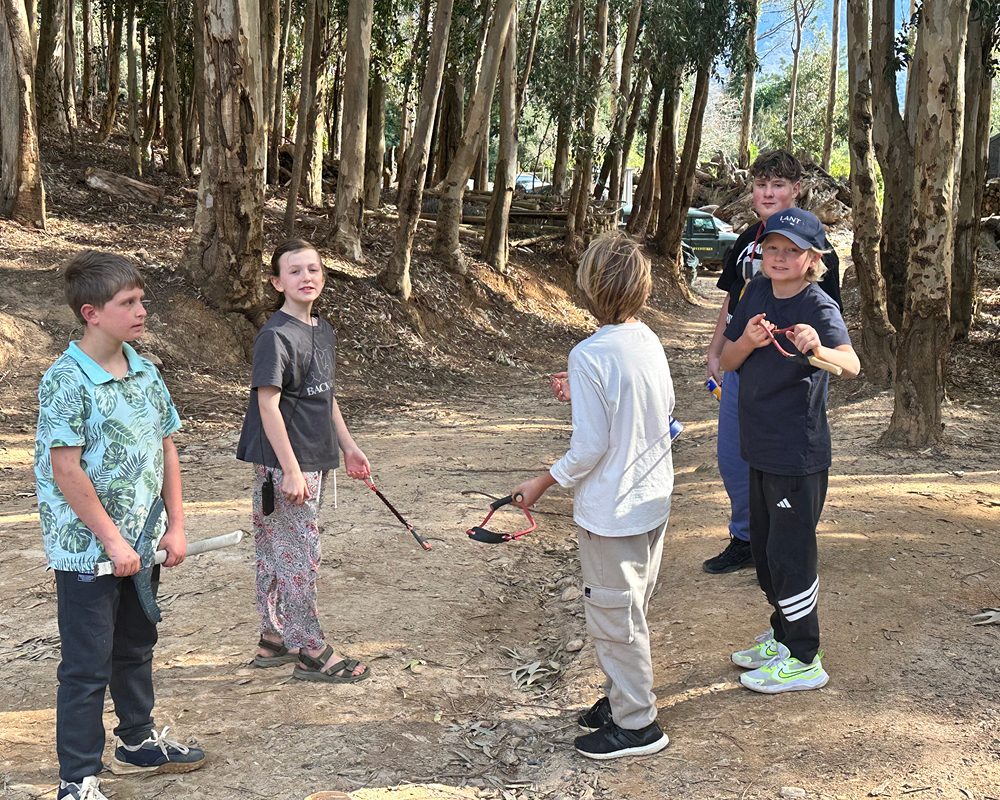
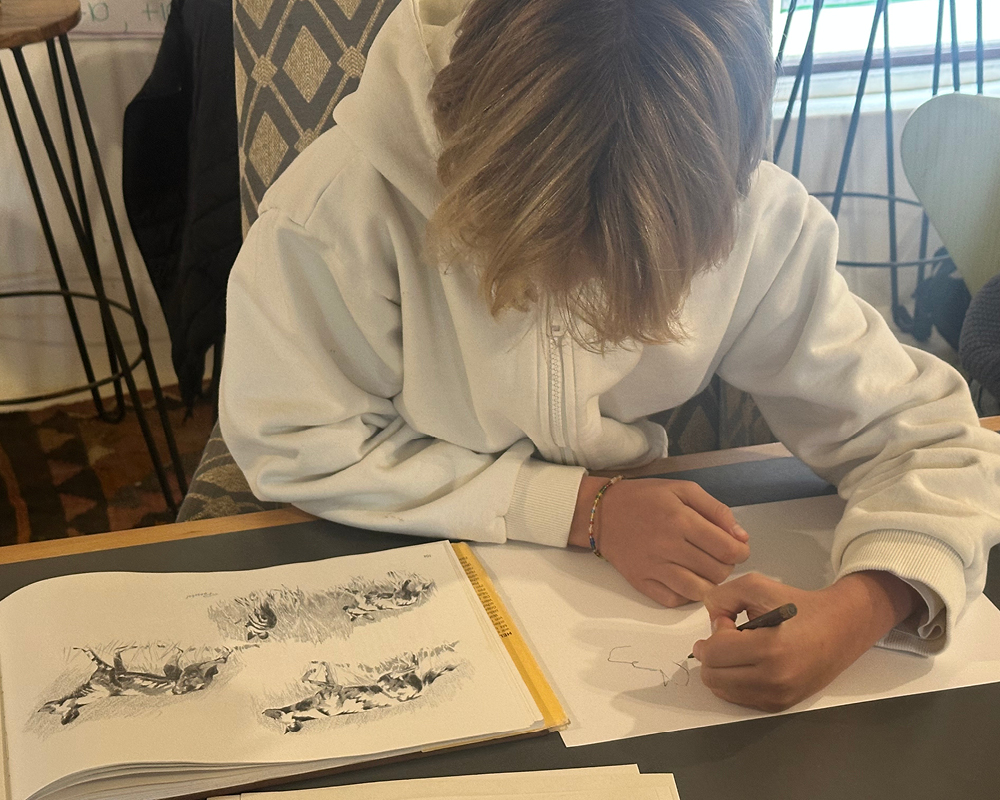
This term, Oom Des introduced us to the history of Southern Africa through a series of online Zoom sessions. Alongside the content, we practiced the skill of picture note-taking — using drawings and quick visuals to capture ideas. We also applied note-taking strategies in math. When children only watch or listen, their attention can drift. But when they take notes, they stay focused, process ideas more deeply, and end up with a visual reminder to return to later. These strategies now become part of their portfolio, showing not just what they learned but how they are learning.
Rather than receiving a report written about them, our students hold in their hands a record created with them. It’s a reminder that education is not about a single grade at the end of a term, but about building the skills of reflection, persistence, and goal setting — tools that will serve them long after school.