
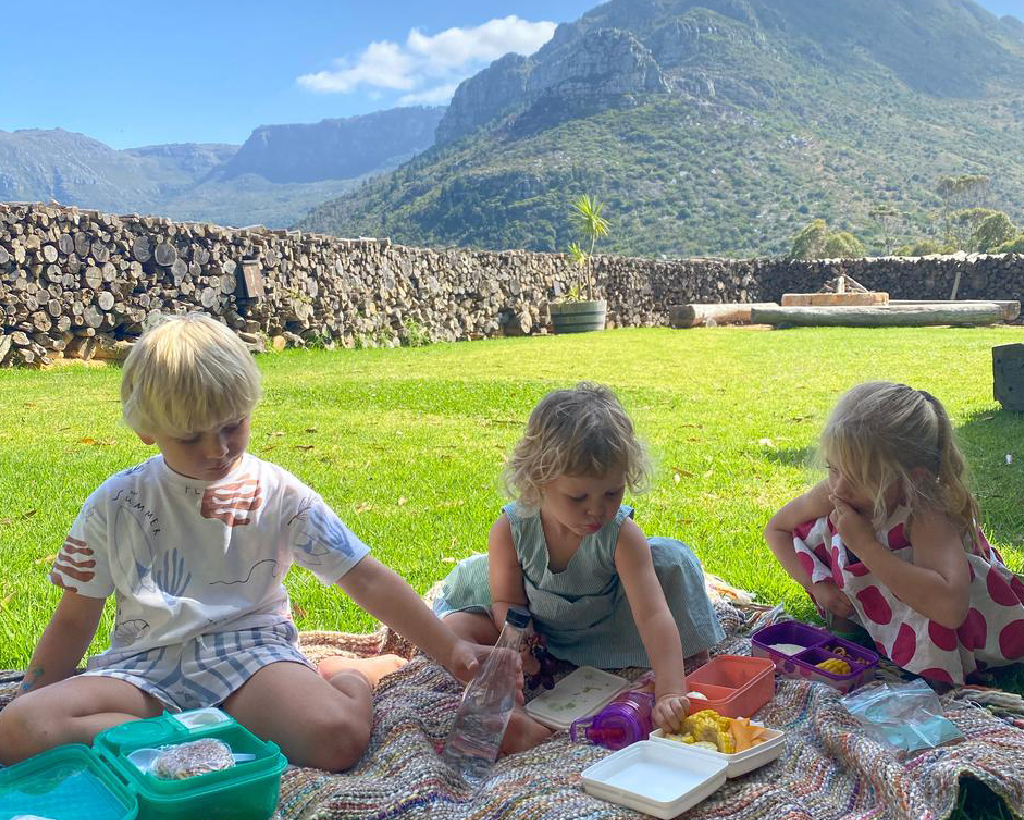
The Little Farm School offers a unique, nature-integrated early years program for 3 to 6 year olds, set on a farm in Constantia.
This space is designed to foster holistic development by immersing children in hands-on, experiential learning.
Our approach emphasises following the child’s lead through compassionate guidance, exploration, and respect.
Vision:
To cultivate a generation of conscious, curious, and compassionate individuals through immersive, collaborative, respectful nature-based education.
Mission:
To provide a holistic education that integrates farm life and the natural environment, fostering a deep connection to nature, community, and self.
Emergent Curriculum
Emergent Curriculum is a teaching strategy that develops in response to children’s interests and needs.
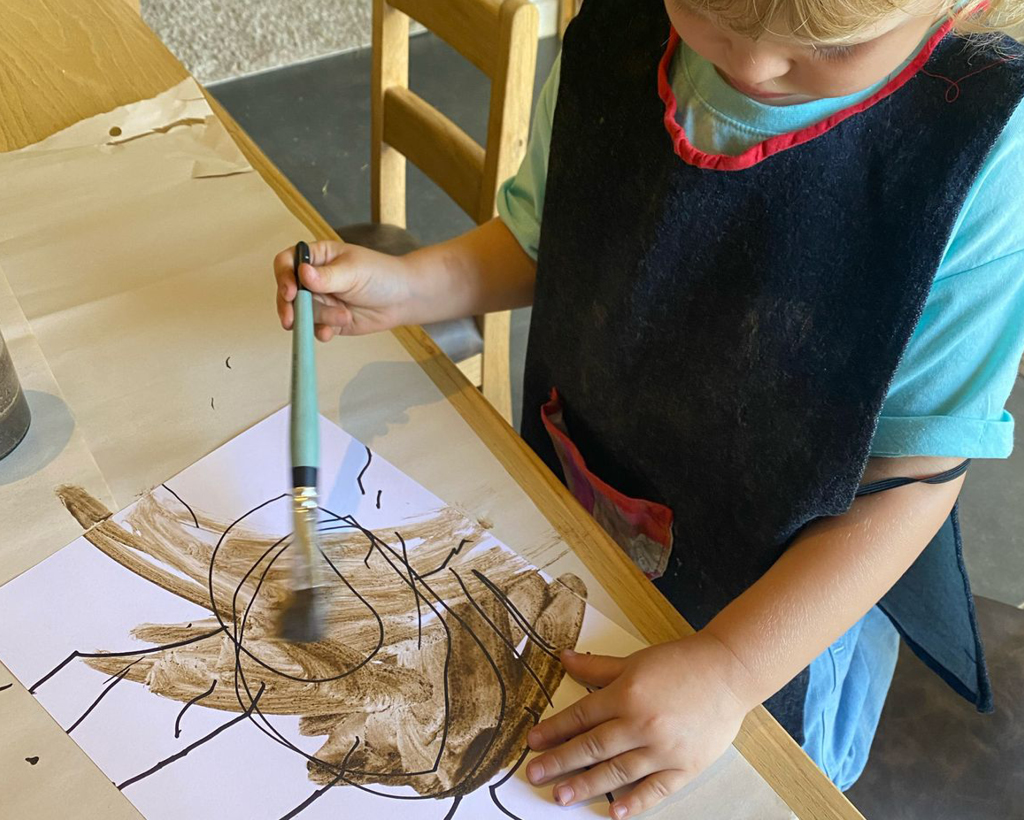
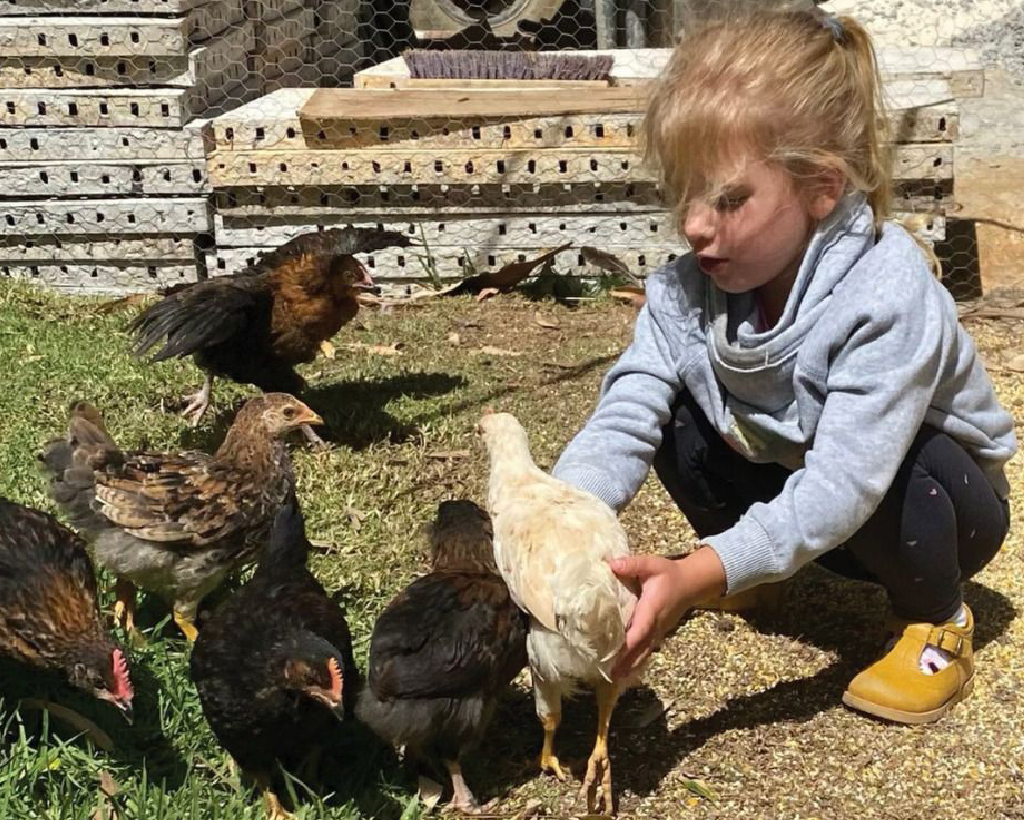
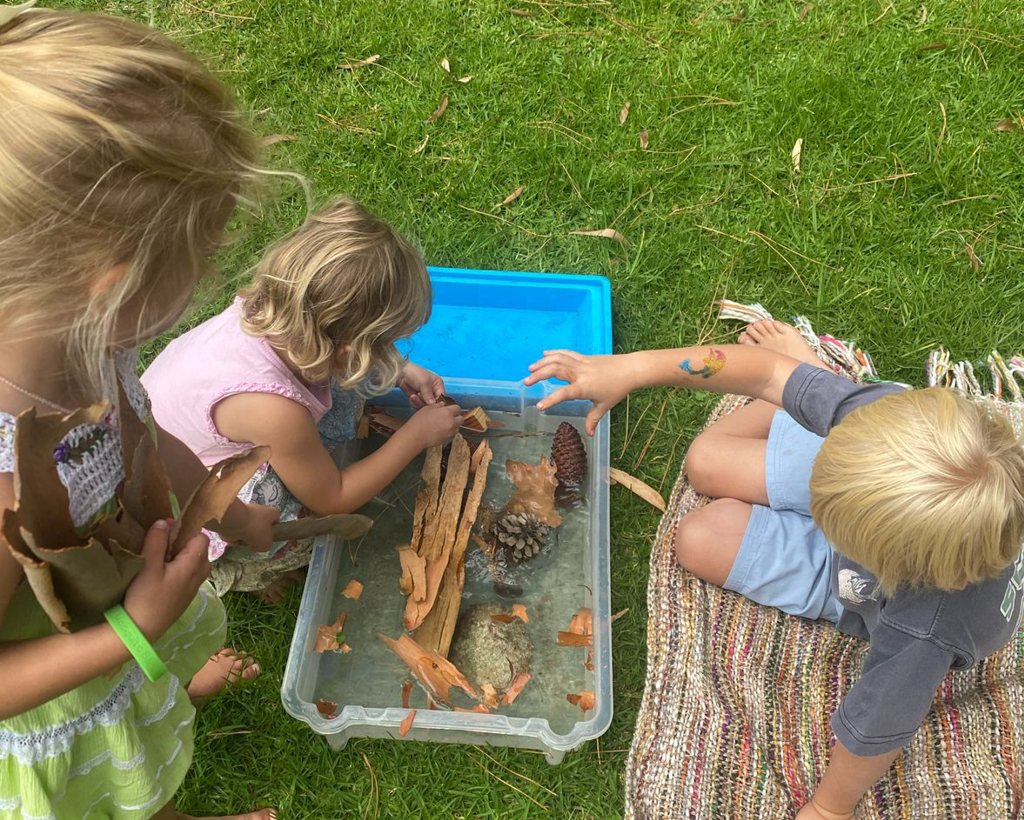
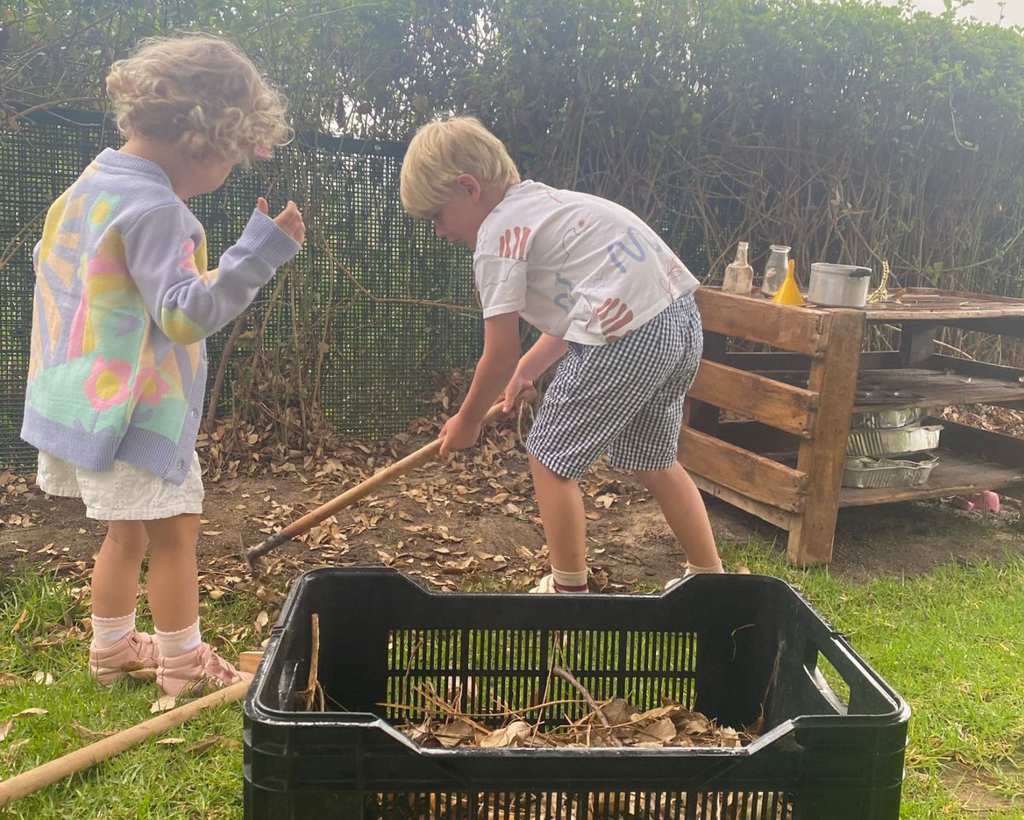
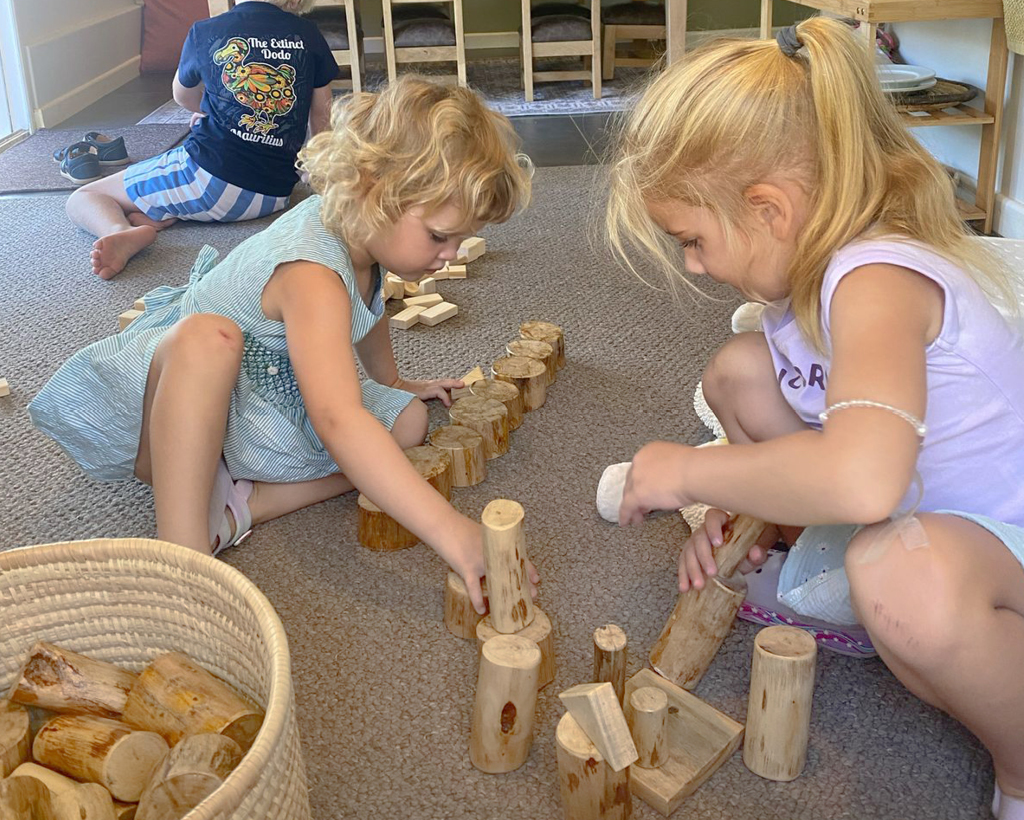
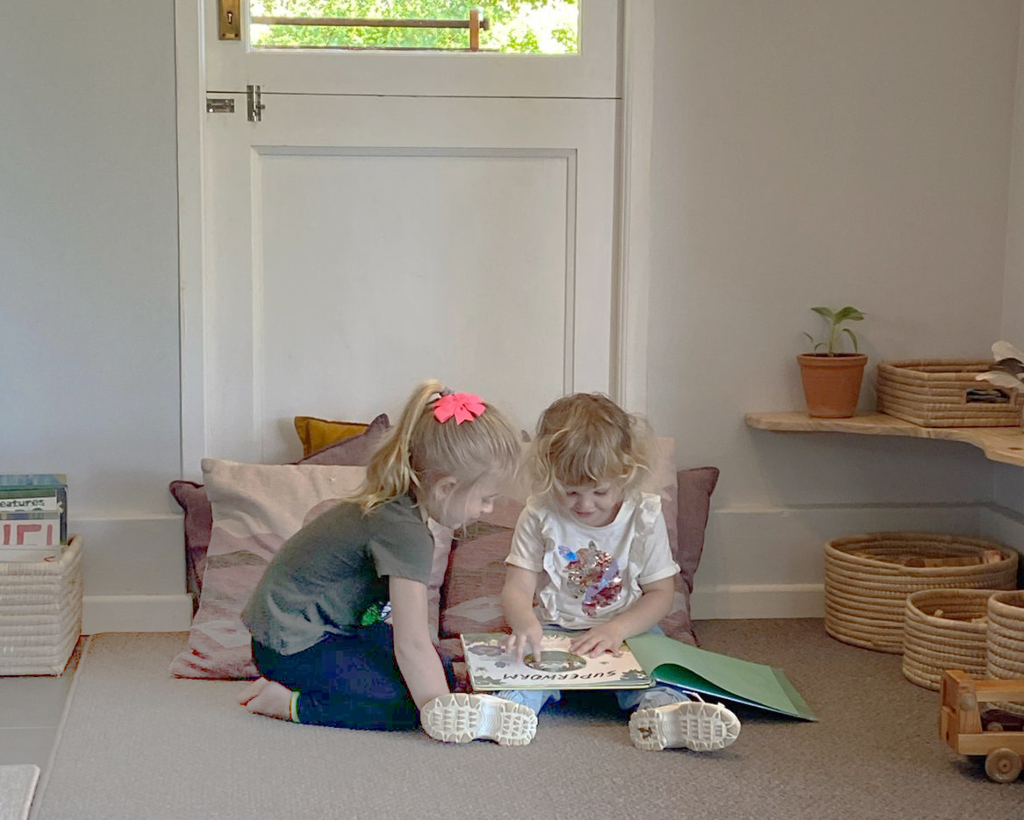
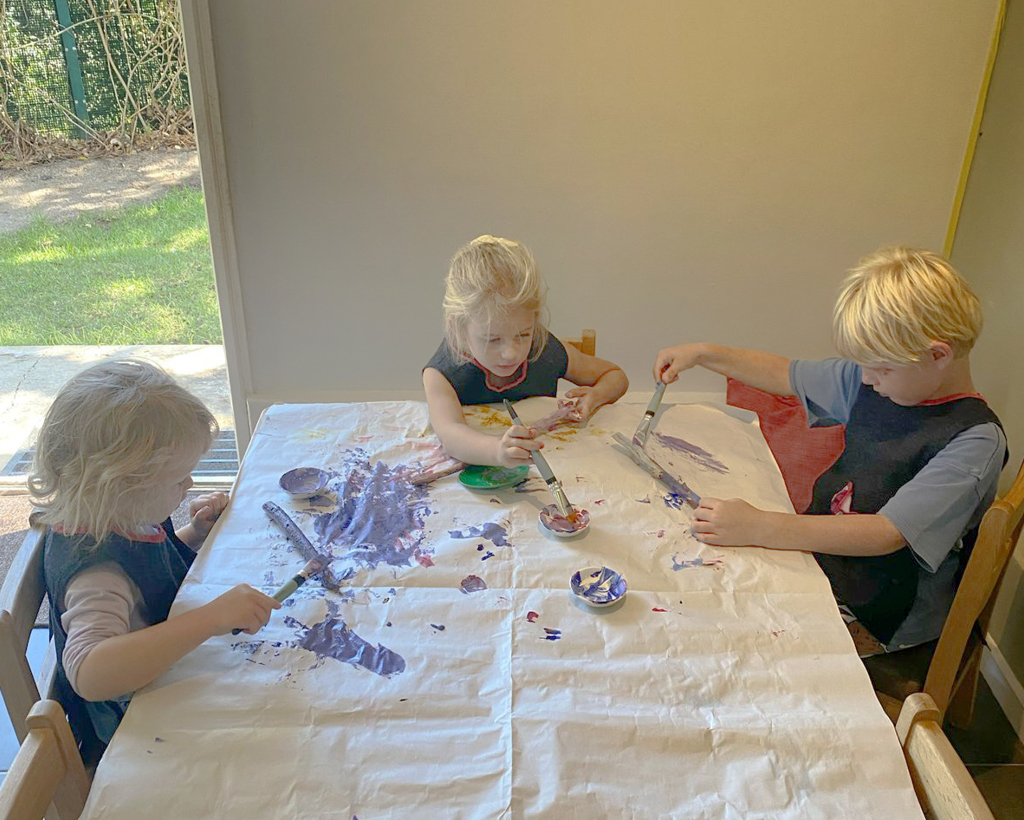
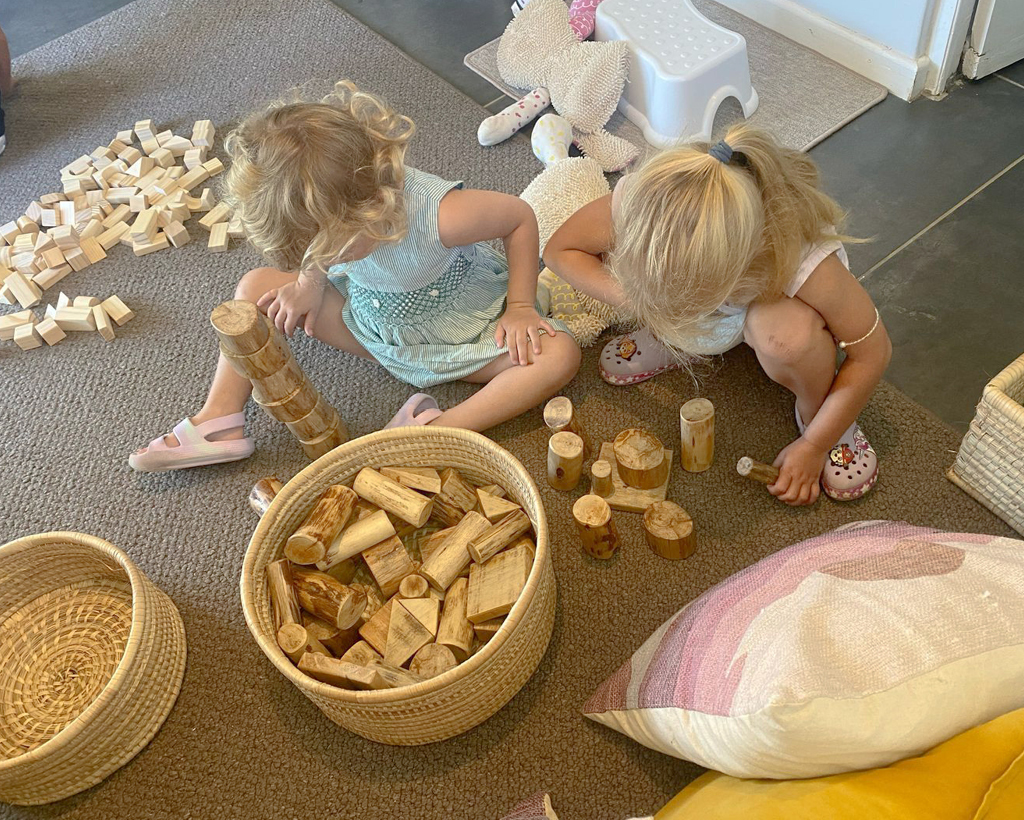
Educators observe and interact with the children, using their curiosities and questions as the foundation for learning experiences. This approach promotes a dynamic learning environment, encouraging creativity, critical thinking, and active participation.
It allows for personalised education, adapting to the unique developmental stages and interests of each child, fostering a deep and meaningful engagement with the learning process.
Immersive Learning
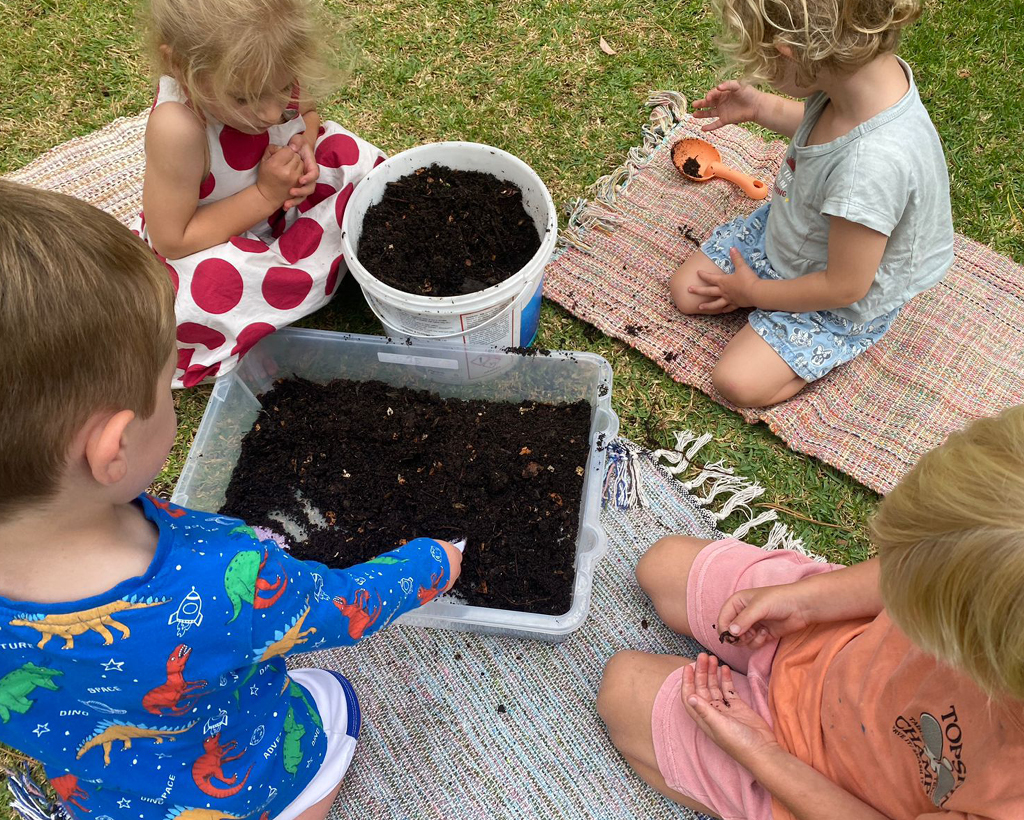
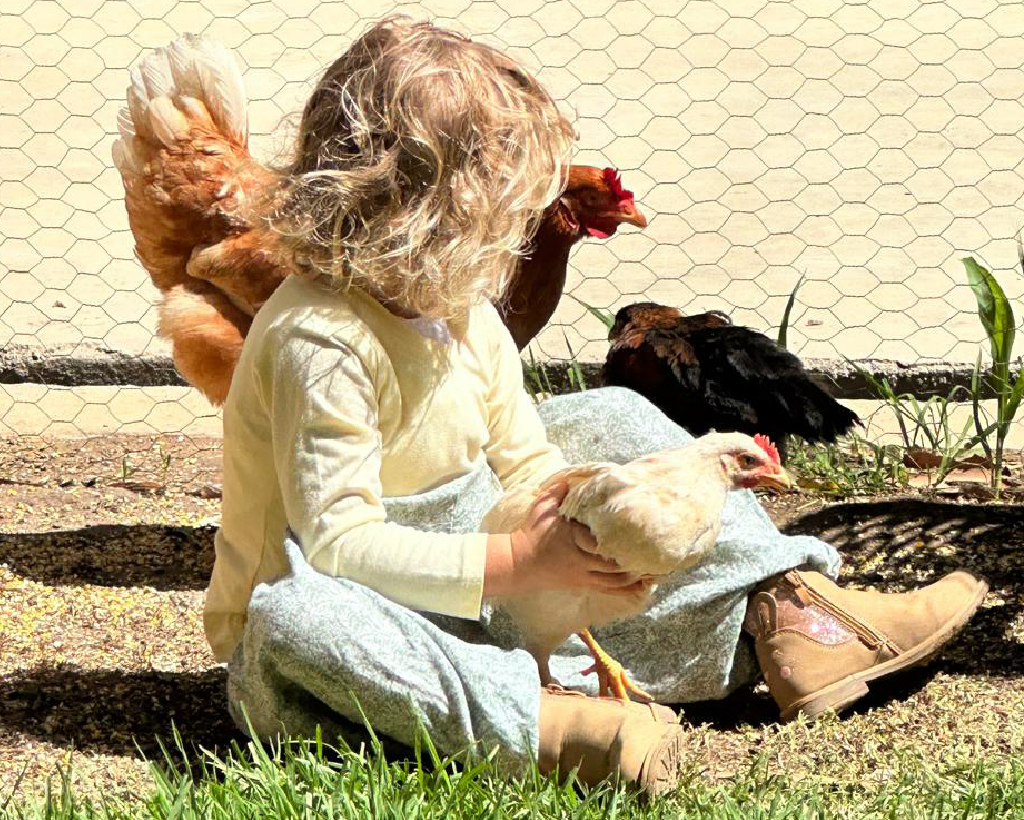
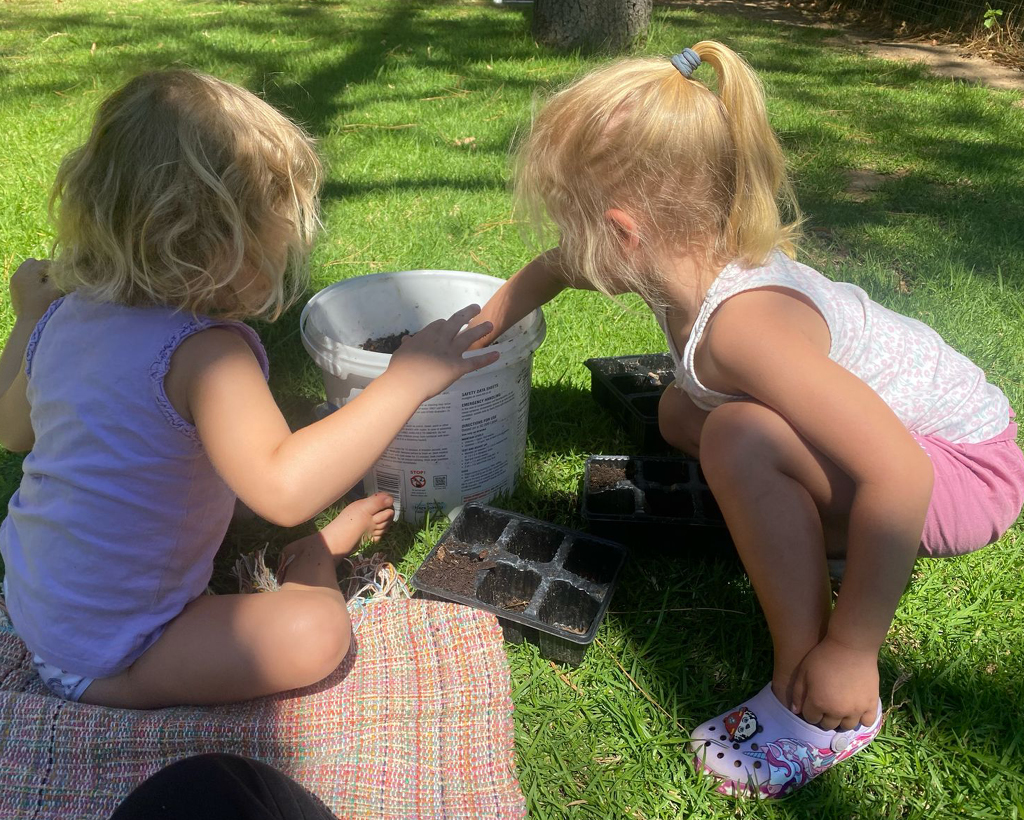
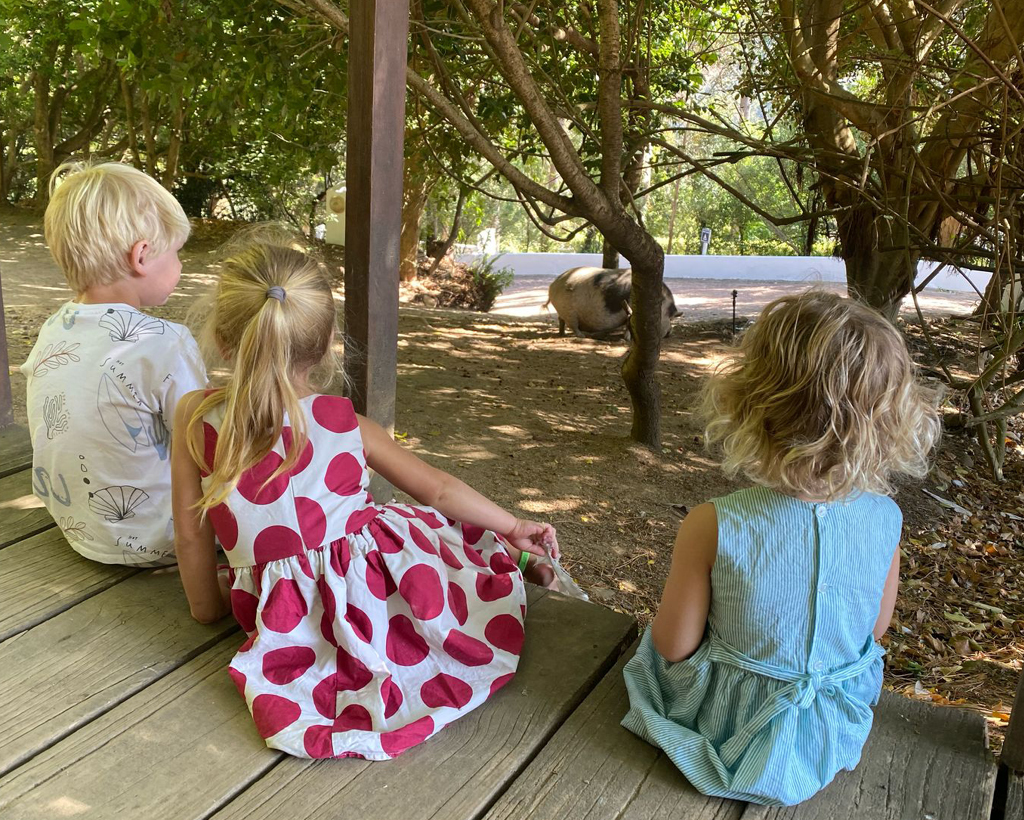
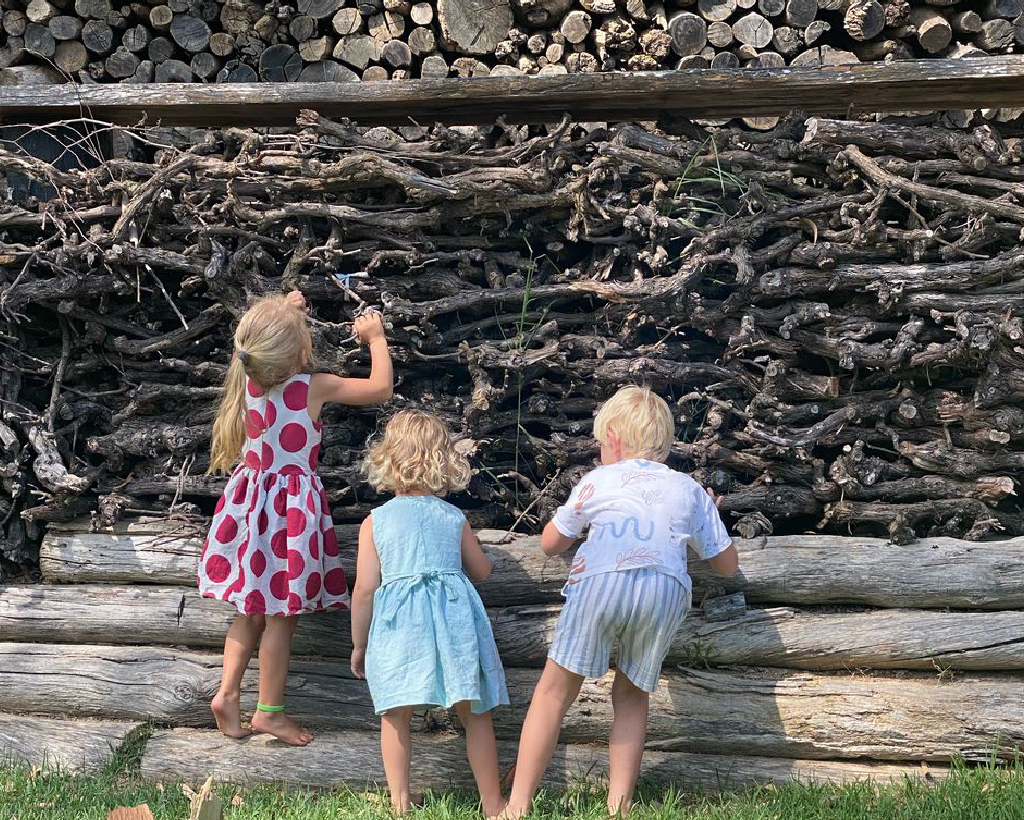
Immersive Learning is an educational approach that engages children in the learning process through hands on, experiential activities that are often interactive and multisensory. This method emphasises active participation, where learners are fully involved in their educational experiences.
By immersing children in practical tasks and dynamic scenarios, immersive learning fosters a deeper understanding of the subject matter and enhances retention of knowledge. This approach is particularly effective in environments that promote exploration and interaction with the natural world.
The Environment
Child-Centred
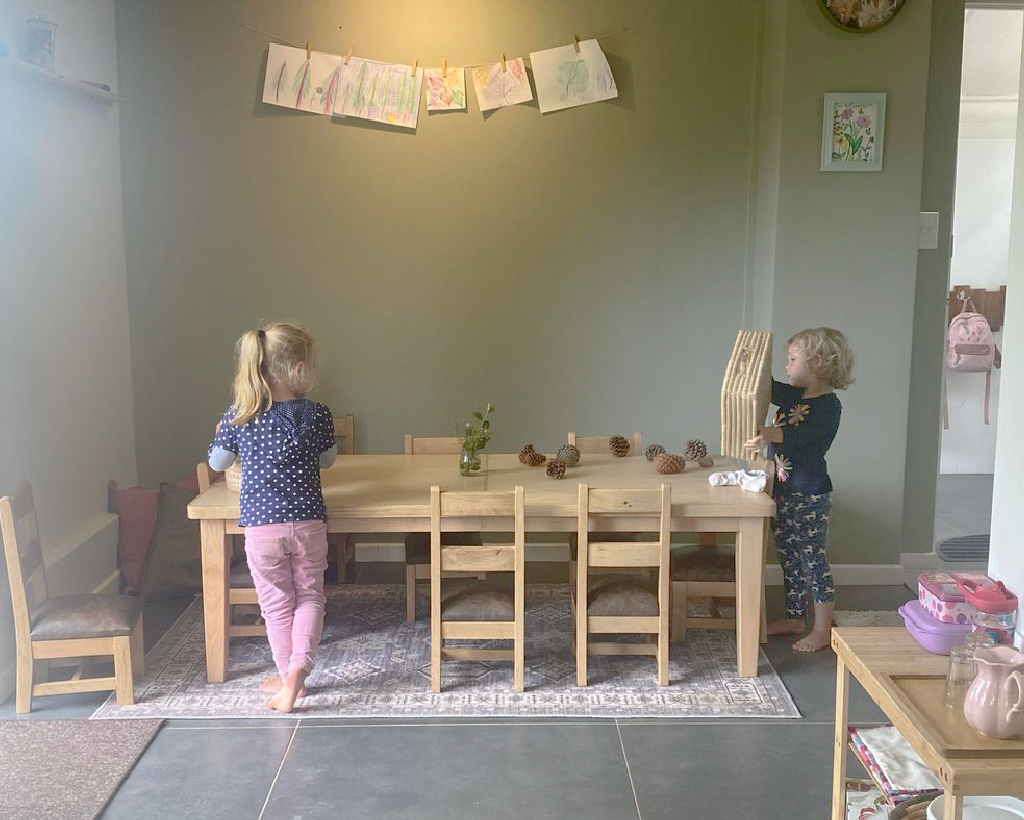
The space is arranged to be accessible and inviting for children, with materials and resources at their level. Areas are designed for various activities such as reading, art, science, and dramatic play.
Resource-Rich
The environment is equipped with a range of materials that support exploration and creativity. Natural materials, art supplies, books, and manipulatives are readily available to stimulate learning.
Flexible Spaces
The layout of the classroom can be easily adapted to accommodate different activities and group sizes. Open spaces allow for movement and large-scale projects, while cozy nooks provide areas for quiet reflection and individual work.
Reflective of Interests
Displays, projects, and learning centers are continuously updated to reflect the children’s current interests and projects. This relevance keeps the environment engaging and meaningful.
Nature-Integrated
Where possible, the environment extends to outdoor spaces, allowing children to interact with nature and incorporate natural elements into their learning experiences.
The Guide
Observer
The teacher carefully watches and listens to the children, identifying their interests, needs, and developmental stages. This observation informs the planning of activities and projects that resonate with the children’s natural curiosities.
Collaborator
The teacher works alongside the children, co exploring topics and engaging in learning experiences together. This collaborative approach helps build a strong teacher-student relationship and promotes a shared learning experience.
Supporter
The teacher provides resources, materials, and opportunities that align with the children’s interests. They create an environment that encourages exploration and supports the children’s inquiries, allowing for self-directed learning.
Reflective Practitioner
The teacher continuously reflects on the effectiveness of the activities and adjusts the learning environment and experiences based on the children’s feedback and evolving interests.
The Child
Explorer
Children are encouraged to explore their environment, ask questions, and pursue their interests. They take an active role in their learning, driven by curiosity and a desire to understand the world around them.
Collaborator
Children work with their peers and teachers, sharing ideas and learning through social interaction. Collaboration fosters a sense of community and mutual respect.
Self-Directed Learner
Children have the autonomy to make choices about their learning and play, which empowers them and creates a space for holistic development.
Reflective Learner
Children are encouraged to think about their learning experiences, express their thoughts and feelings, and make connections between their activities and broader concepts.
Our school is run from Monday to Thursday 9am-12:30pm
Our daily rhythm serves as a guide, providing a flexible framework for our daily activities.
This is designed to be adaptable, following the needs of the children, while fostering a sense of predictability and structure.
Daily activities include gardening, art and crafts, singing, dramatic play, science, early literacy and numeracy, and farm explorations.

The Little Farm School
Silvermist Wine Estate, Constantia Nek,
Hout Bay Main Rd, Hout Bay, Cape Town
c: 083 627 8685
e: hello@silvermistacademy.co.za
i: https://www.instagram.com/
silvermistlittlefarmschool/


